

Lovin’ your cacti
The ultimate guide to keeping your prickly friend happy, from the folks who’ve been growing them for over 40 years.
Not just survive, thrive
Cacti and succulents grow in some of the harshest places on Earth, so treat them right and they’ll stick around for a very long time. With over 40 years of growing behind us, we’ve picked up a trick or two, and we love to share.
Got a curly plant question, or after something specific for your garden? Give us a shout, we’re always happy to help.
Fresh out of the post
Cuttings are tough, but a trip through the mail can knock them around. If yours looks a little unhappy, don’t panic. Here’s what we’d do.
- Unwrap it the day it landsGet it out of the packaging so it can breathe.
- Give it a once-overLook for anything soft, black or mushy, especially around the cut end.
- Cut off any black rotUse a clean, sharp knife and keep going until the flesh looks healthy all the way through. Gloves are your friend.
- Spray it if it needs itIf it’s had rot or looks a bit sad, use a fungicide such as Yates Anti Rot, following the directions on the label.
- Let it dry outLeave it somewhere shady and dry until the cut forms a callus. That can take up to 2 extra weeks, and a bit longer after a rough trip. This is your best protection against rot.
- Pot it up, then hold the waterUse a free-draining mix. To be on the safe side, don’t water your cutting for the first month.
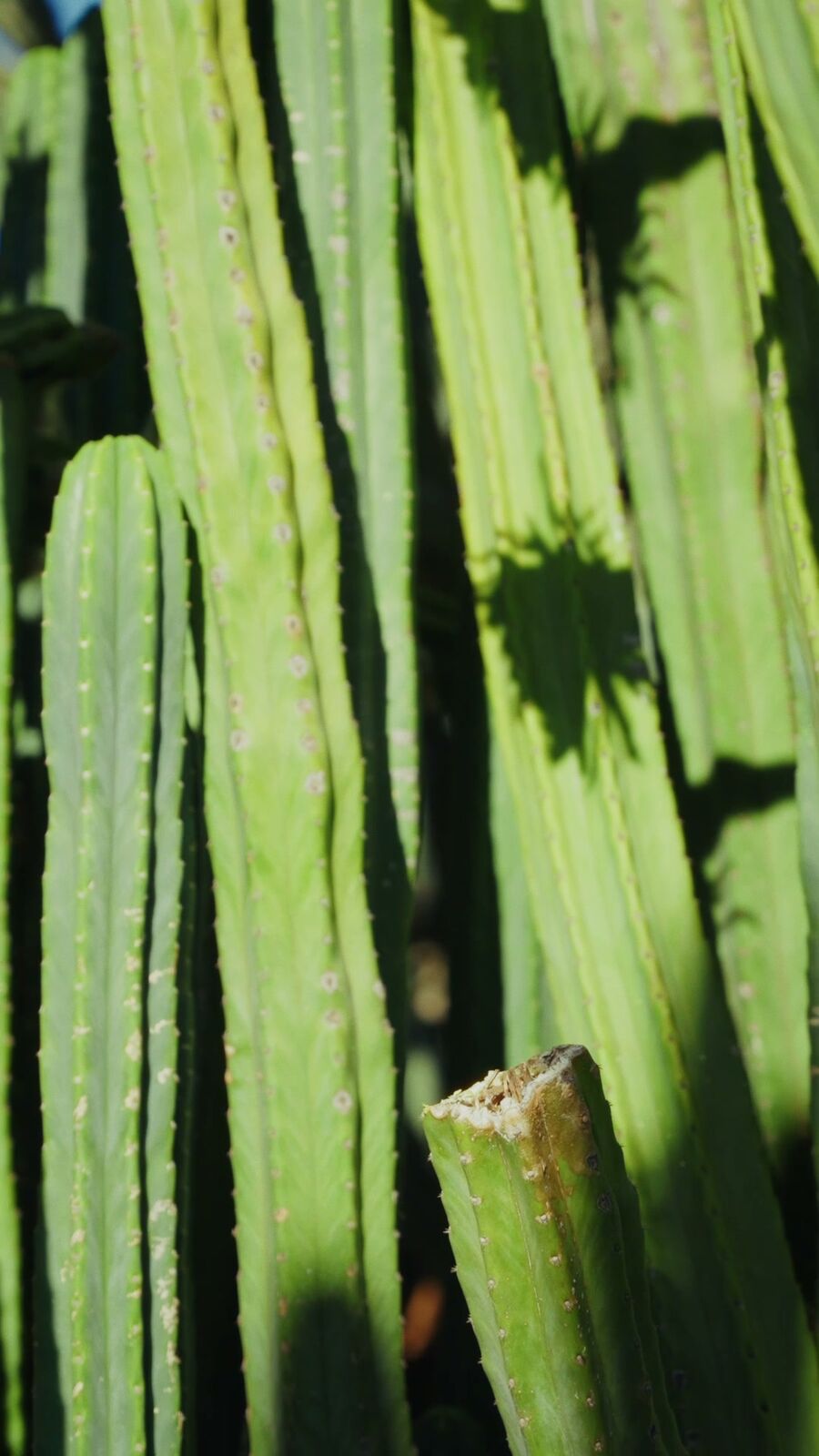
Ugly but okay
- Wrinkled, a bit shrunken or looking thirsty
- Scuffs, scratches or a few lost spines
- A small soft or black spot you can cut away
Follow the steps above and give it time. It should come good.
Give us a shout
- Soft or black through most of the plant
- Snapped, crushed or falling apart
- Rot that keeps coming back
- Anything at all you’re not sure about
Email sales@cactuscountry.com.au within 7 days of delivery with your order number and a photo of the plant and packaging. We’ll take a look and offer you a replacement or a refund, your choice. Shipping and returns
The everyday stuff
Light
Cacti want a well-lit spot, and a little shade is okay. If yours starts stretching out as if it’s searching for light, it needs more. Move it into full sun slowly so it doesn’t burn, and give it a quarter turn each week.
Water
Cacti hate wet feet. Pop a finger or a knife in the soil: if the top 3 to 10cm is still moist, leave it. If it’s dry, give it a good soak, then nothing until it dries right out. In winter that may mean no water at all.
Soil
- 1/3 sand
- 1/3 gravel
- 1/3 potting mix
Add some slow-release fertiliser. A quality cactus mix does the job too. Good drainage is what stops rot before it starts.
Something’s wrong with my cactus

Going black and soft
This is most likely rot, one of the most common problems cactus growers face. If it’s only small, use a fungicide such as Yates Anti Rot. If it’s spread, cut the rot off, throw out the contaminated soil and start again with a fresh mix. Contact us if you need a hand.

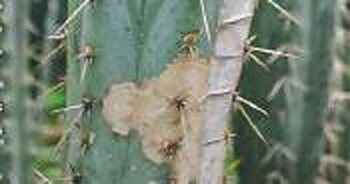
White fluffy spots
You may have mealybugs or scale. Mealybugs gather around the base of a cactus or just beneath the soil, and white fluff is the early sign. Douse the plant in a strong mix of detergent and water to suffocate them. If they hang around, try a systemic insecticide mixed with white oil, following the label, to get the bugs feeding on the sap.
Sunburn
Plants moved straight from shade into direct sun are likely to burn. A light burn shows up as whitish discolouring, and a bad one becomes a hard brown scar. Move a lightly burnt plant into some shade and it can recover. Severe burns take more time to heal.
Still stuck?
Send us a photo. We’ve seen it all, and you’re never bothering us.
Got an Elephant’s Foot? They play by their own rules, so they get their own care sheet. Want this guide on paper? Print or save the PDF.
Everything you wanted to ask
Can’t make it to the garden?
Follow Tarn at @cactuscountryplants on Instagram and Facebook to see what’s on offer, chasing something specific? Email us and we’ll track it down. Our online shop is updated regularly too.
A little piece of Mexico on the Murray. Come have some fun.
Sign up for what’s blooming and what’s on.